Oral Surgery
So Many Ways To Improve Your Health & Confidence
Our Services
Comprehensive oral and maxillofacial surgery to restore function and confidence
Dental Implants
Dental implants are the gold standard for replacing missing teeth. They provide a permanent, natural-looking solution that functions just like your own teeth.
- Most natural tooth replacement option
- Prevents bone loss in the jaw
- No damage to adjacent teeth
- Permanent and long-lasting solution
- Restores full chewing function


Wisdom Tooth Extractions
Wisdom teeth often appear in the late teens or early twenties and frequently lack proper space to erupt fully, causing impaction. Our surgeons have extensive training to remove wisdom teeth safely under anesthesia.
- Prevents crowding of adjacent teeth
- Eliminates inflammation and pain
- Sedation options available
- Expert extraction techniques
- Comprehensive post-operative care
Reconstructive Jaw Surgery
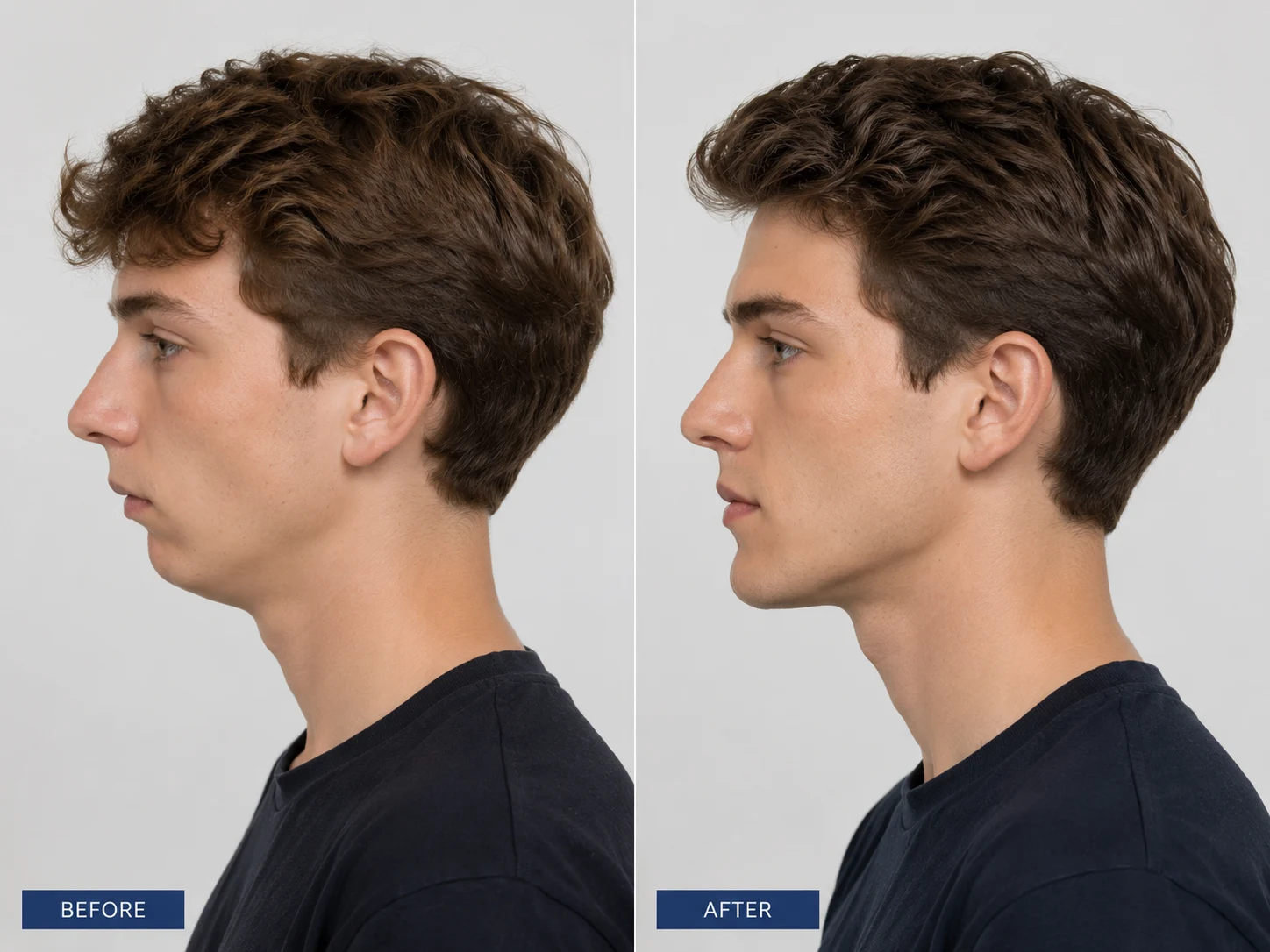
Corrective jaw surgery treats skeletal and dental irregularities, improving both function and facial appearance. Our surgeons work closely with our orthodontists for comprehensive treatment.
- Corrects bite problems
- Improves facial symmetry
- Enhances breathing and speech
- Reduces TMJ pain
- Coordinated with orthodontic treatment

TMJ Treatment
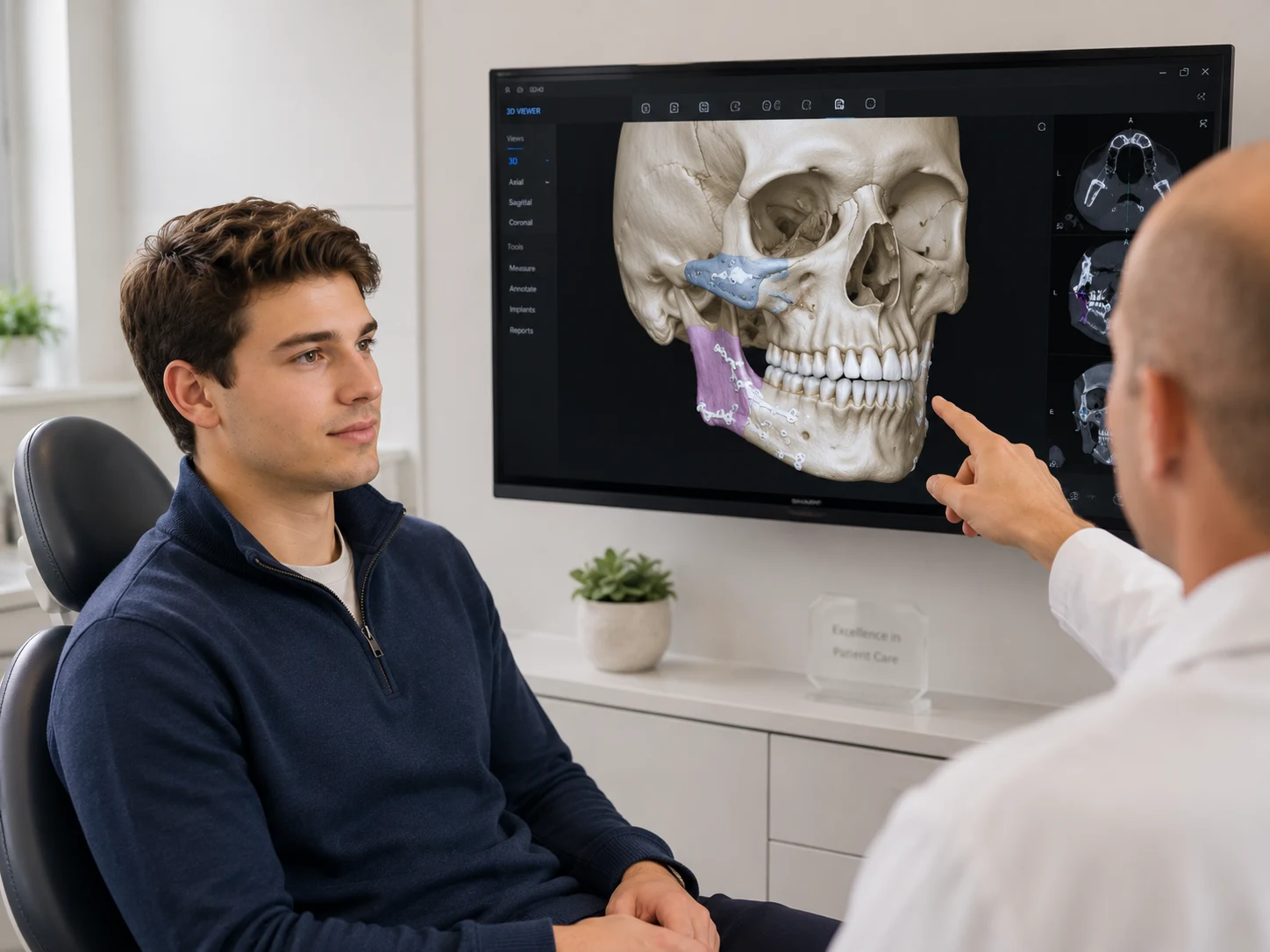
TMJ refers to painful symptoms related to Temporomandibular Joint dysfunction. Symptoms may include clicking, popping, pain in front of the ear, headaches, and limited jaw movement.
- Comprehensive diagnosis
- Conservative treatment options first
- Surgical intervention when needed
- Pain management strategies
- Long-term relief focus
Facial Trauma
From motor vehicle accidents to sports and work-related injuries, facial trauma requires expert care. Our specialists are trained to address both the physical and emotional aspects of recovery.
- Emergency care available
- Fracture repair expertise
- Soft tissue reconstruction
- Minimizing scarring
- Comprehensive follow-up care
Frequently Asked Questions
Everything you need to know about oral surgery
How do I know if I need my wisdom teeth removed?
Not everyone needs their wisdom teeth removed, but most people do. Signs include pain, swelling, infection, or crowding of other teeth. We recommend an evaluation in your late teens or early twenties. X-rays can show if your wisdom teeth are impacted or likely to cause problems. Early removal is often easier with faster recovery.
What is a dental implant and how does it work?
A dental implant is a titanium post surgically placed in your jawbone to replace the root of a missing tooth. After the implant fuses with the bone (osseointegration), a crown is attached to create a natural-looking, fully functional tooth. Implants are the most permanent solution for tooth replacement and help prevent bone loss in the jaw.
How long is recovery after wisdom tooth removal?
Most patients recover within 3-7 days. Swelling and discomfort peak around day 2-3 and then improve. We provide detailed post-operative instructions and pain management. Most people can return to work or school within a few days, though complete healing of the surgical site takes several weeks.
What sedation options are available?
We offer several sedation options depending on your needs and the complexity of the procedure: local anesthesia alone, nitrous oxide (laughing gas), oral sedation, and IV sedation. During your consultation, we'll discuss which option is best for your specific procedure and comfort level.
Are dental implants painful?
The implant procedure itself is performed under local anesthesia or sedation, so you won't feel pain during surgery. Post-operative discomfort is typically mild to moderate and well-controlled with medication. Most patients report that the procedure is much easier than they expected and that any discomfort is minimal and short-lived.
How long do dental implants last?
With proper care, dental implants can last a lifetime. The titanium implant itself can last indefinitely, though the crown on top may need replacement after 10-15 years due to normal wear. Success rates are very high (over 95%), especially when good oral hygiene is maintained and regular dental visits are kept.
What should I do if I experience facial trauma?
Seek immediate medical attention. For severe injuries, go to the emergency room. For dental-related facial injuries, call our office right away. We make every effort to see trauma patients immediately. Apply ice to reduce swelling, control bleeding with gentle pressure, and save any knocked-out teeth in milk if possible.
Will my insurance cover oral surgery?
Many dental and medical insurance plans cover oral surgery procedures, especially when medically necessary. Coverage varies by plan and procedure. Our team will verify your benefits and provide a detailed cost estimate before treatment. We also offer flexible payment plans and financing options to make care affordable.
Ready to Discuss Your Treatment Options?
Schedule a consultation with our oral surgery specialists to learn how we can help restore your smile and confidence