Pediatric Dentistry
From Their First Tooth To Graduation Day
A lifetime of excellent dental health can have a profound impact on the health of your entire body. That's why it's so important to start your child out on the right path – one that will make going to the dentist something they look forward to – and taking good care of their teeth something that comes naturally.
From the day their first tooth arrives to the day they graduate from college, your kids will go through incredible change. That's why the special care only available from our pediatric dentist is right for your child. It's also why kids love us and parents trust us.

Our Pediatric Dentist
Our Services
Comprehensive dental care for children from infancy through adolescence
Cavity Prevention
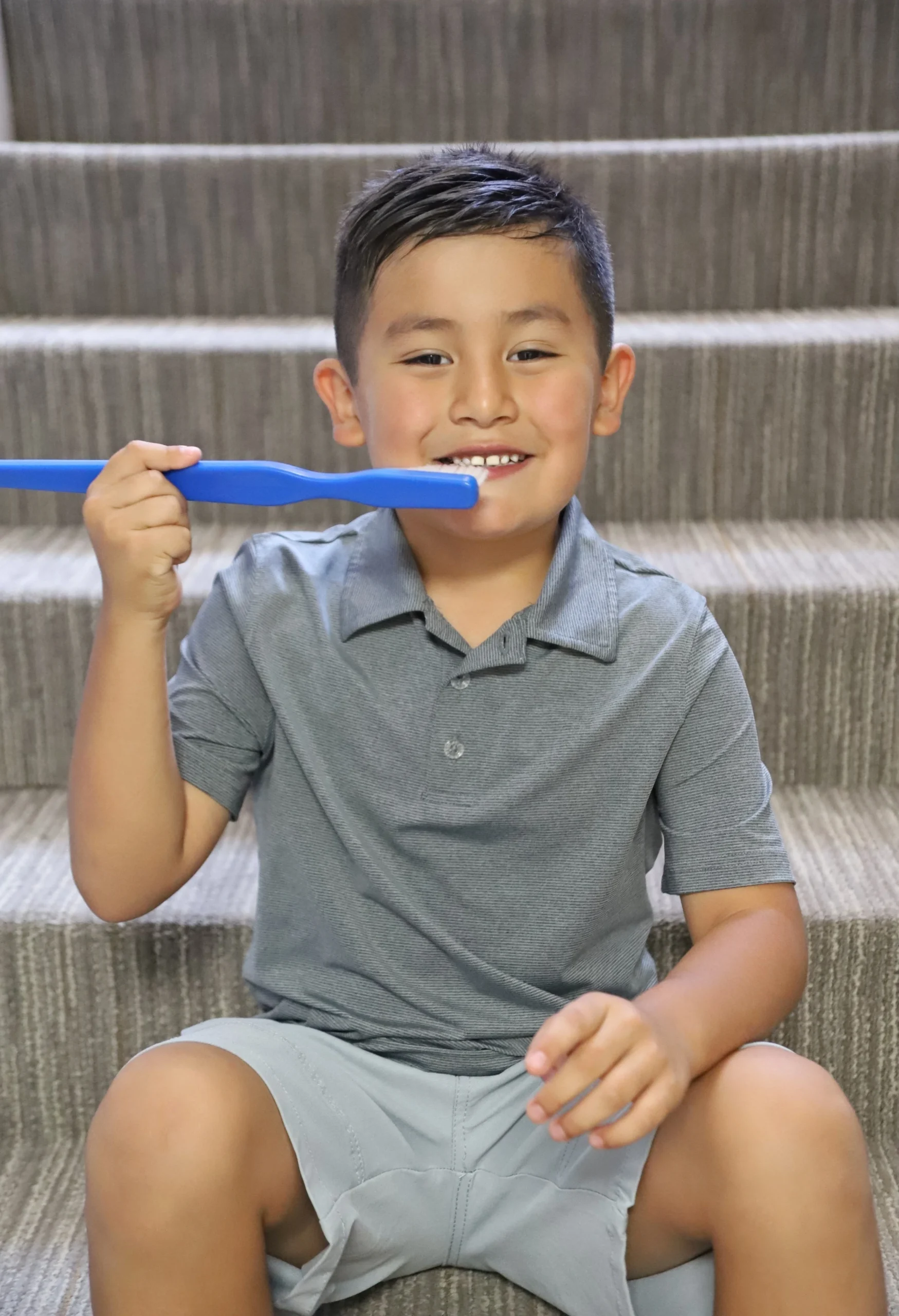
The key to preventing cavities is to help your child develop good oral hygiene habits from an early age - even before they get their first tooth. We recommend checkups every 6 months for cavity prevention and treatment.
- Wipe infant gums after feedings
- Soft toothbrush after teeth come in
- Fluoride toothpaste after age 1
- Brush twice daily once teeth are in
- Regular 6-month checkups
Fluoride Treatment & Dental Sealants
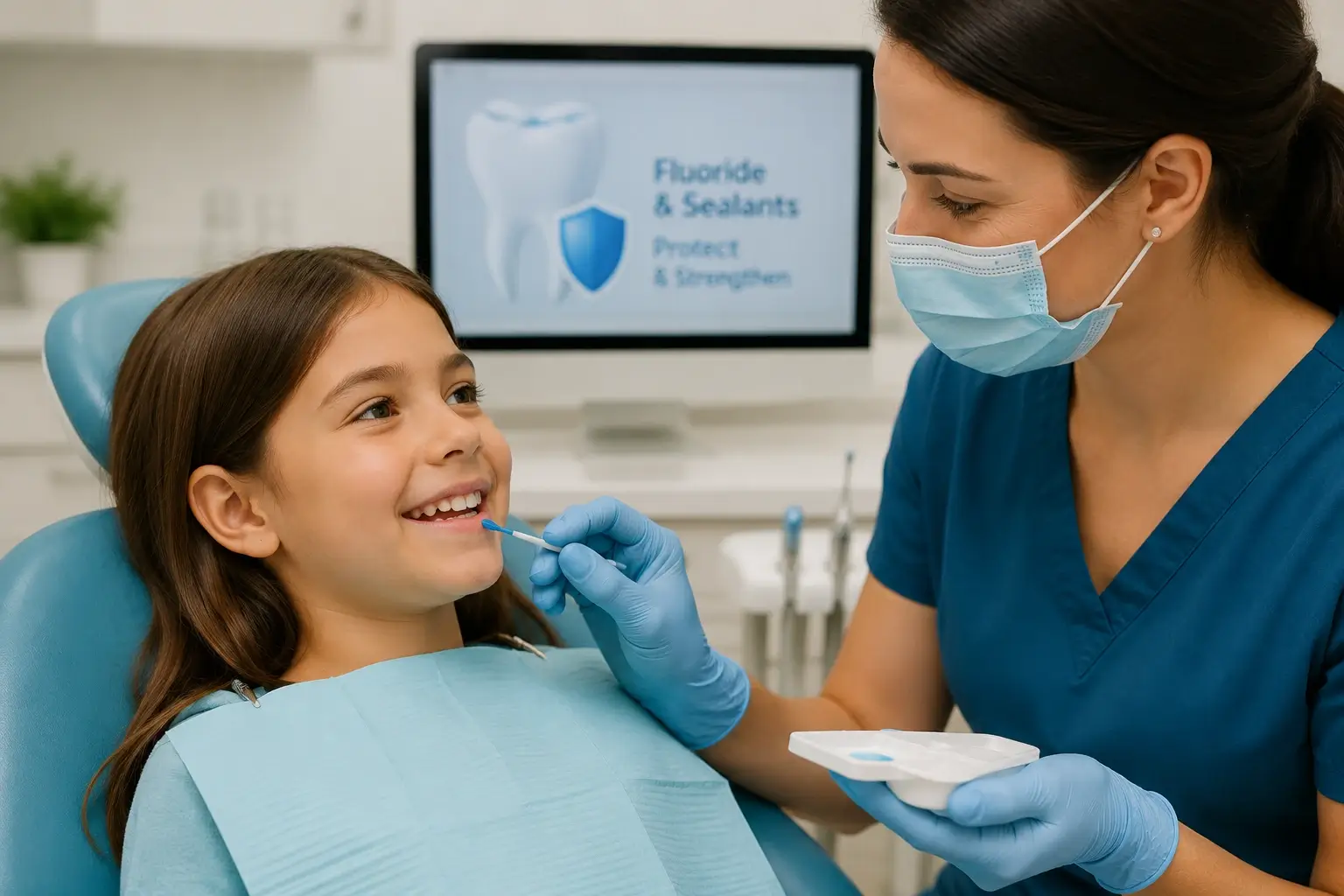
Using fluoride in small amounts on a regular basis can help prevent tooth decay. Dental sealants protect children's molars against decay and have been shown to prevent about 80 percent of cavities.
- Professional strength fluoride application
- Strengthens weakened enamel
- Reduces acid attacks on teeth
- Sealants shield grooves and pits
- Cost-effective prevention
Cavity Treatment & Space Maintenance
If left untreated, decay in baby teeth can affect overall health and impact adult teeth. We use a variety of appliances to maintain correct tooth position as your child grows.
- Gentle cavity treatment
- Preserve baby teeth spacing
- Prevent orthodontic complications
- Custom appliances for proper alignment
- Coordinated care with our orthodontists
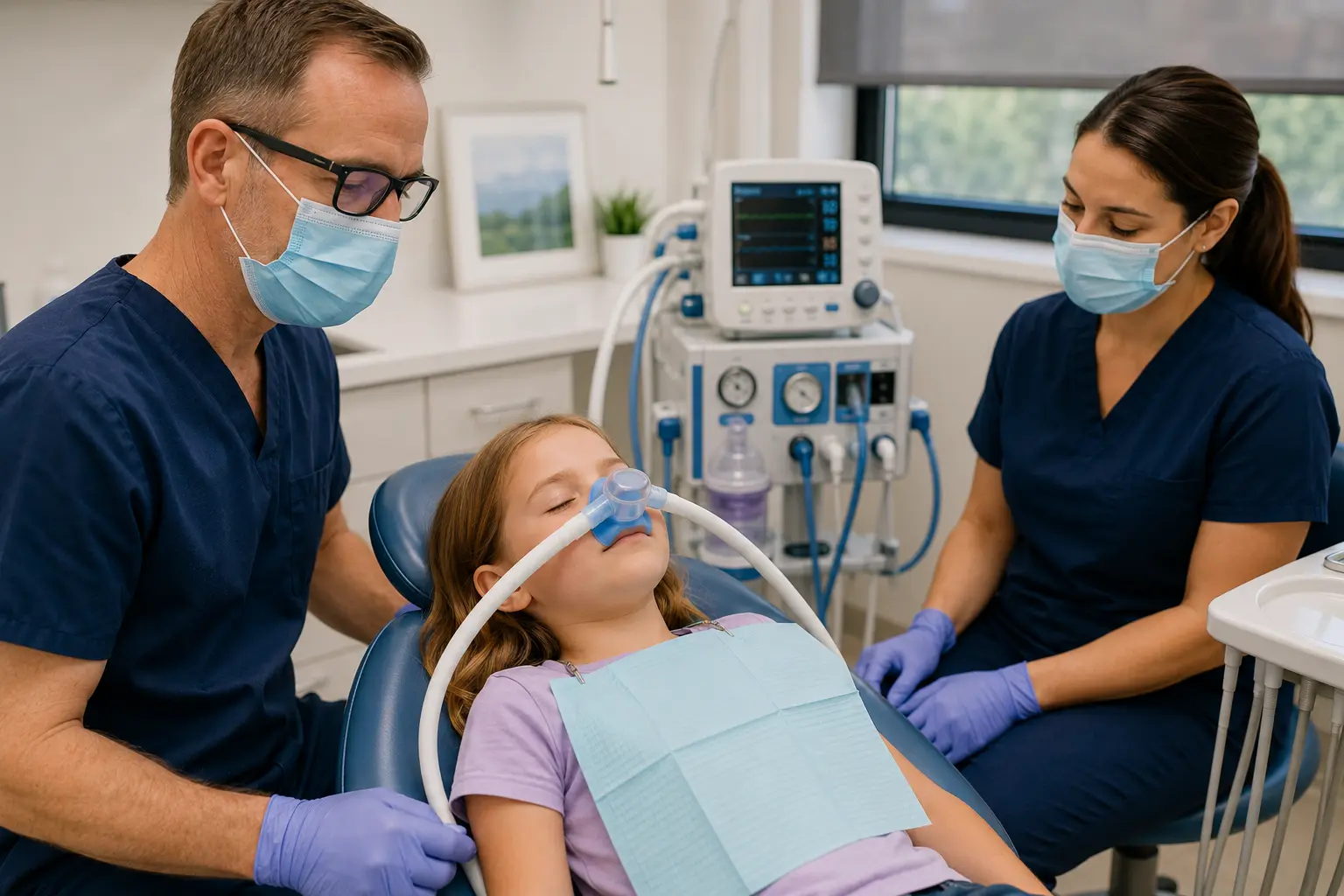
Sedation Dentistry
Some children with a high level of anxiety can benefit from sedation dentistry. We offer several safe sedation options to ensure your child's comfort during dental treatment.
- Nitrous oxide (laughing gas)
- Oral conscious sedation
- Thorough medical history review
- Pre and post-operative instructions
- Compassionate anxiety management
Diet & Nutritional Care
The American Academy of Pediatric Dentistry has developed guidelines that promote well-balanced, nutrient-rich diets specially designed to decrease the risk of tooth decay.
- Nutritional counseling
- Decay prevention strategies
- Dietary recommendations
- Sugar intake guidance
- Evidence-based guidelines


A Special Approach
For Children With Special Needs
The American Academy of Pediatric Dentistry (AAPD) recognizes that providing both primary and comprehensive preventive and therapeutic oral health care to individuals with special health care needs is an integral part of the specialty of pediatric dentistry. Elko Dental Specialists values the unique qualities of each person regardless of developmental disability or other special health care needs.
Children with special needs often have a greater incidence of tooth decay, gum disease and oral trauma. The team at Elko Dental Specialists has been specially trained to address your child's specific needs. Close attention to oral health is especially important for special children for several reasons:
- Physical limitations and lack of proper motor function can make brushing and flossing difficult.
- Some medications and special dietary requirements may be detrimental to dental health.
- Some children require frequent medical treatments and doctors' appointments, and it is understandable for parents to spend less time overseeing the child's oral hygiene habits.
At your first visit, we will schedule enough time to ensure a thorough review of your child's medical history and discuss the best preventative dental care and treatment for your child. Home care takes just minutes a day and prevents needless dental problems. Starting dental care early and being diligent with daily oral hygiene can minimize the financial and emotional costs of oral health and help your child enjoy a healthy smile for a lifetime.
Frequently Asked Questions
Everything parents need to know about pediatric dental care
When should my child have their first dental visit?
The American Academy of Pediatric Dentistry recommends that children have their first dental visit by their first birthday or within six months of getting their first tooth. Early visits help establish a dental home, allow us to monitor development, and help your child become comfortable with dental visits.
Why are baby teeth so important if they're just going to fall out?
Protecting baby teeth from cavities is just as important as caring for permanent teeth. If left untreated, decay in baby teeth can affect your child's overall health and impact the adult tooth. If baby teeth fall out too early, the spacing of the adult teeth will be affected and may require more intensive orthodontic treatment and even surgery.
How can I prepare my child for their first visit?
Keep it positive! Talk about the visit in a fun, matter-of-fact way. Read children's books about going to the dentist. Avoid using words like "hurt," "pain," or "shot." Let us be the experts at explaining procedures in kid-friendly terms. Most importantly, try not to transfer any dental anxiety you might have to your child.
How often should my child visit the dentist?
Most children should visit the dentist every six months for routine checkups and cleanings. However, some children with higher cavity risk or other dental concerns may need more frequent visits. We'll create a personalized schedule based on your child's individual needs.
What should I do if my child has a dental emergency?
Call our office immediately. We make every effort to see emergency patients the same day. For a knocked-out permanent tooth, try to place it back in the socket or keep it moist in milk and get to our office right away. For other injuries, rinse the mouth with water, apply a cold compress to reduce swelling, and contact us for guidance.
Are dental X-rays safe for children?
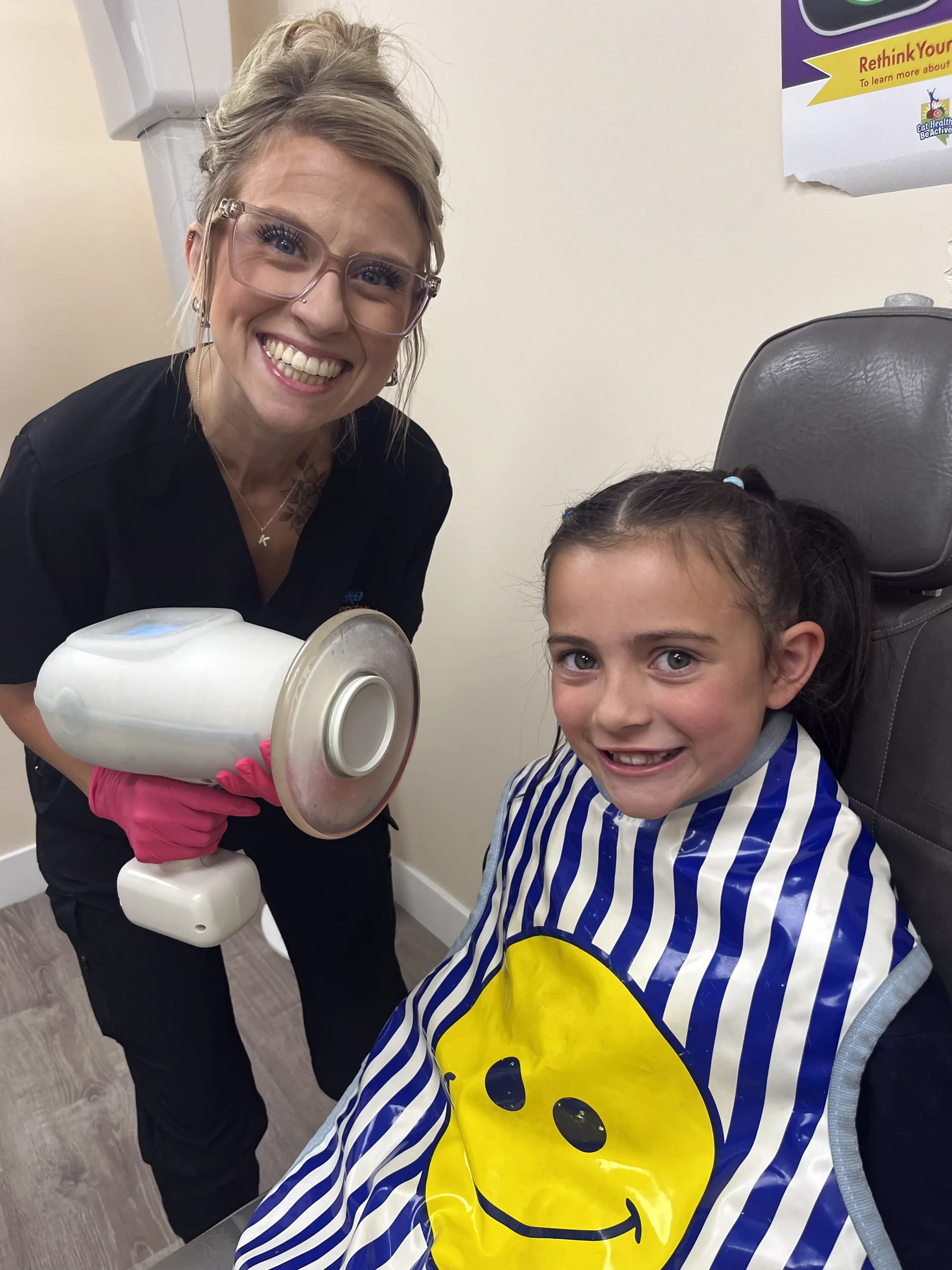
Yes! We use digital X-rays, which emit up to 90% less radiation than traditional film X-rays. We only take X-rays when necessary to diagnose problems not visible during a clinical exam. We also use protective lead aprons and thyroid collars to minimize exposure.
How can I help my child avoid cavities?
Start early, even before their first tooth! Wipe your infant's gums after feedings and use a soft toothbrush once teeth come in. Use fluoride toothpaste after age 1, and brush twice daily once several baby teeth are in. If your child eats a diet heavy in sugar (cookies, candy, fruit juices, soda), brushing after meals may be needed. We recommend checkups every 6 months for cavity prevention. Dental sealants and fluoride treatments provide extra protection.
What if my child is nervous or anxious about dental visits?
We specialize in making kids feel comfortable! Our office is designed to be fun and welcoming. We use child-friendly language, go at your child's pace, and celebrate their cooperation. For children with severe anxiety, we offer sedation options. Our goal is to build trust and create positive experiences.
Do you offer sedation options for children?
Yes, some children with a high level of anxiety can benefit from sedation dentistry. We offer Nitrous Oxide (laughing gas), which makes patients feel less anxious and has some anesthetic properties, and Oral Sedation (conscious sedation), which is a mild sedative that relaxes the patient while keeping them awake and able to respond. Prior to administering sedation, we conduct a thorough examination and medical history and provide you with preoperative and postoperative instructions.
Ready to Start Your Child's Journey to a Healthy Smile?
Schedule your child's appointment today and experience the difference specialized pediatric dental care makes